


Visit Ananta
We’d love to introduce you to what makes our community special.
Making the decision to move a loved one into memory care is an act of love, but that doesn’t make the transition feel easy. For many families, this season brings a complicated mix of relief, grief, and uncertainty. If you’re in the middle of it, know that what you’re feeling is completely normal, and that with thoughtful preparation, this transition can go more smoothly than you might expect.
Here are five ways to help both you and your loved one feel more at ease.
The foundation of a good transition is a good fit. Begin by talking with your loved one and their physician to get a clear picture of their needs, preferences, and personality. Then, let that guide your search. Look for a community that offers personalized, adaptable care, a calm and welcoming environment, and staff who take the time to truly know each resident. When the match is right, everything else becomes easier.
Familiarity is a powerful thing, especially for someone living with dementia. Making a few visits to the community before move-in day gives your loved one a chance to recognize faces, explore their new surroundings, and begin to feel at home, before the transition is official. Reducing the element of surprise can go a long way toward easing anxiety and building excitement about what’s ahead.
Whenever possible, talk openly with your loved one about the move before it happens. Explain what’s changing and why, in terms that feel gentle and true. Remind them that you’ll continue to visit, that they remain a central part of the family, and that this new chapter is about getting the support they deserve. These conversations may need to happen more than once, and that’s okay.
Once your loved one has moved in, it’s natural to want to be there every day. But giving them some time and space to find their footing on their own — to build new friendships, explore the community, and grow comfortable in their new home — can actually support the transition. Frequent visits in the early days can sometimes create anxiety around your arrivals and departures. Trust the staff, trust the process, and ease into your new visiting rhythm.
Familiar objects carry a quiet kind of comfort for people living with Alzheimer’s or dementia. Setting up their new space with things they recognize and love — favorite photos, a cherished blanket, familiar clothing, a few meaningful keepsakes — can make an unfamiliar room feel like home far more quickly. At Ananta, we encourage residents to personalize their spaces, because we know the details matter.
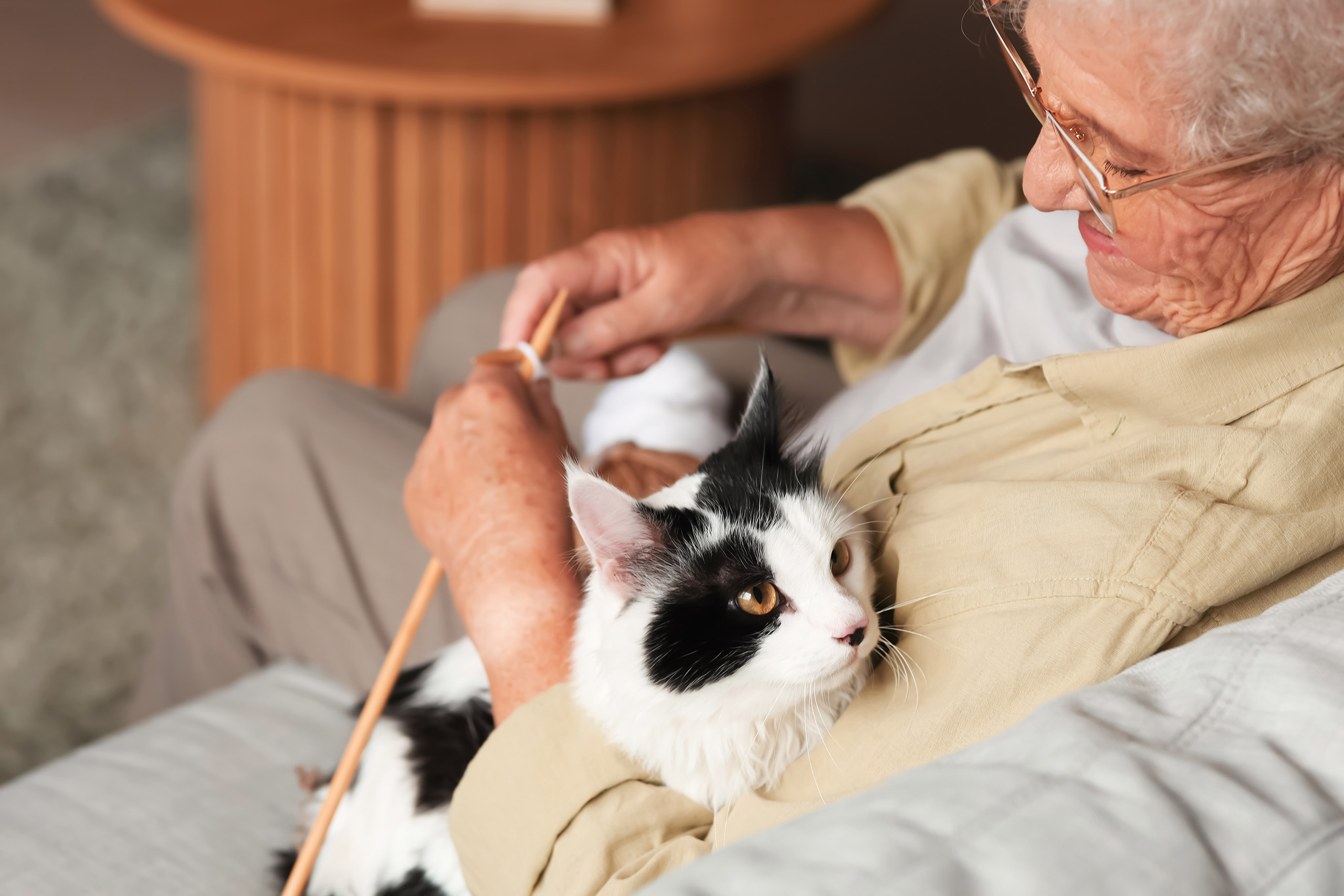
For many people, a beloved pet isn’t just a comfort. They’re family. The bond between a senior and their animal companion can be profoundly grounding, especially during a time of change. At Ananta, we’re proud to be a pet-friendly community, which means your loved one doesn’t have to say goodbye to their furry companion when they move in. Bringing a pet along can ease the transition significantly, providing familiar affection, routine, and joy from day one. If your loved one has a dog, cat, or other pet they’re close to, we encourage you to bring them along. Their presence may be the single most comforting thing in a new space.
This season won’t be without its hard moments, but you don’t have to navigate it alone. Our team at Ananta is here to support your entire family through every step of the transition and beyond.
For more information about our community at Ananta, view our other web page.
We’d love to introduce you to what makes our community special.